Honoring the Men of the 362nd
Behind every line in a morning report was a man with a name and a story. This page collects profiles of soldiers of the 362nd Infantry, contributed by their families. We hope it will grow into a lasting tribute to the whole regiment. The first profile is the soldier whose records began this project.
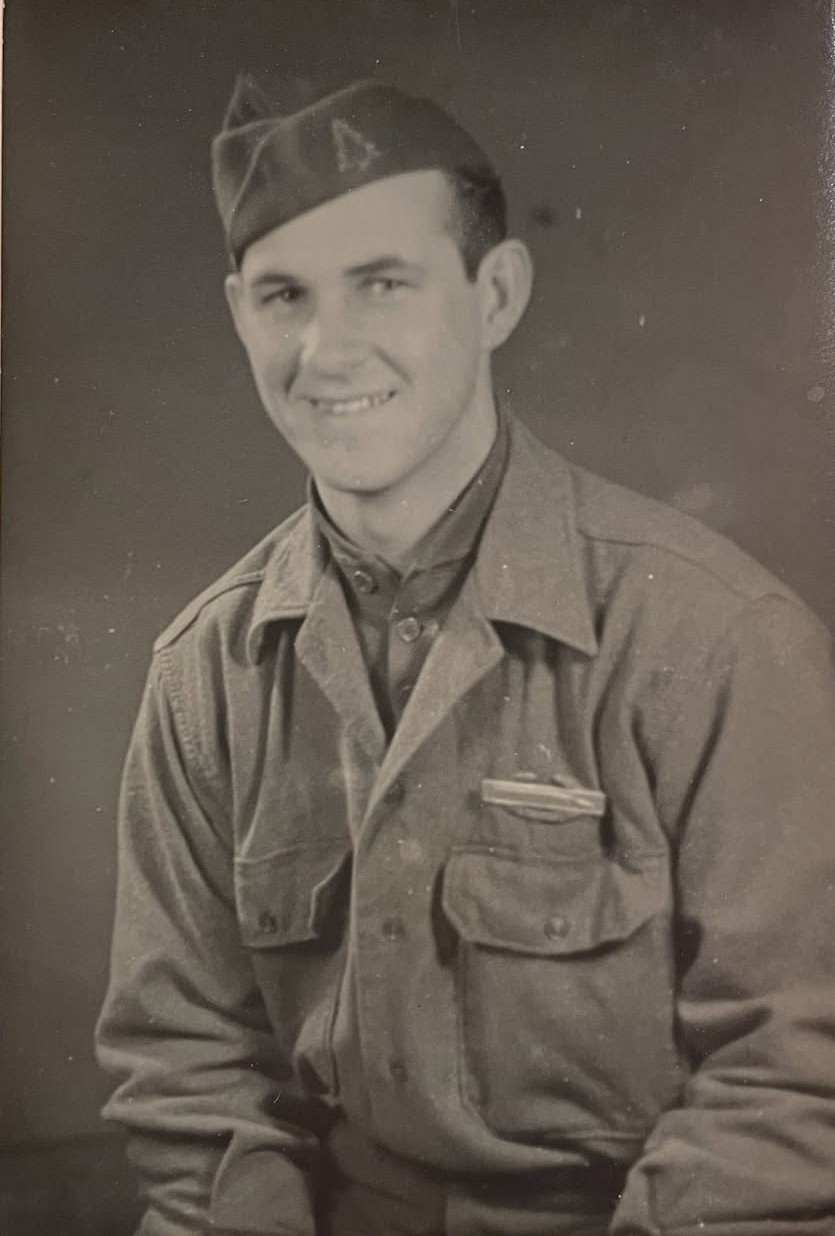
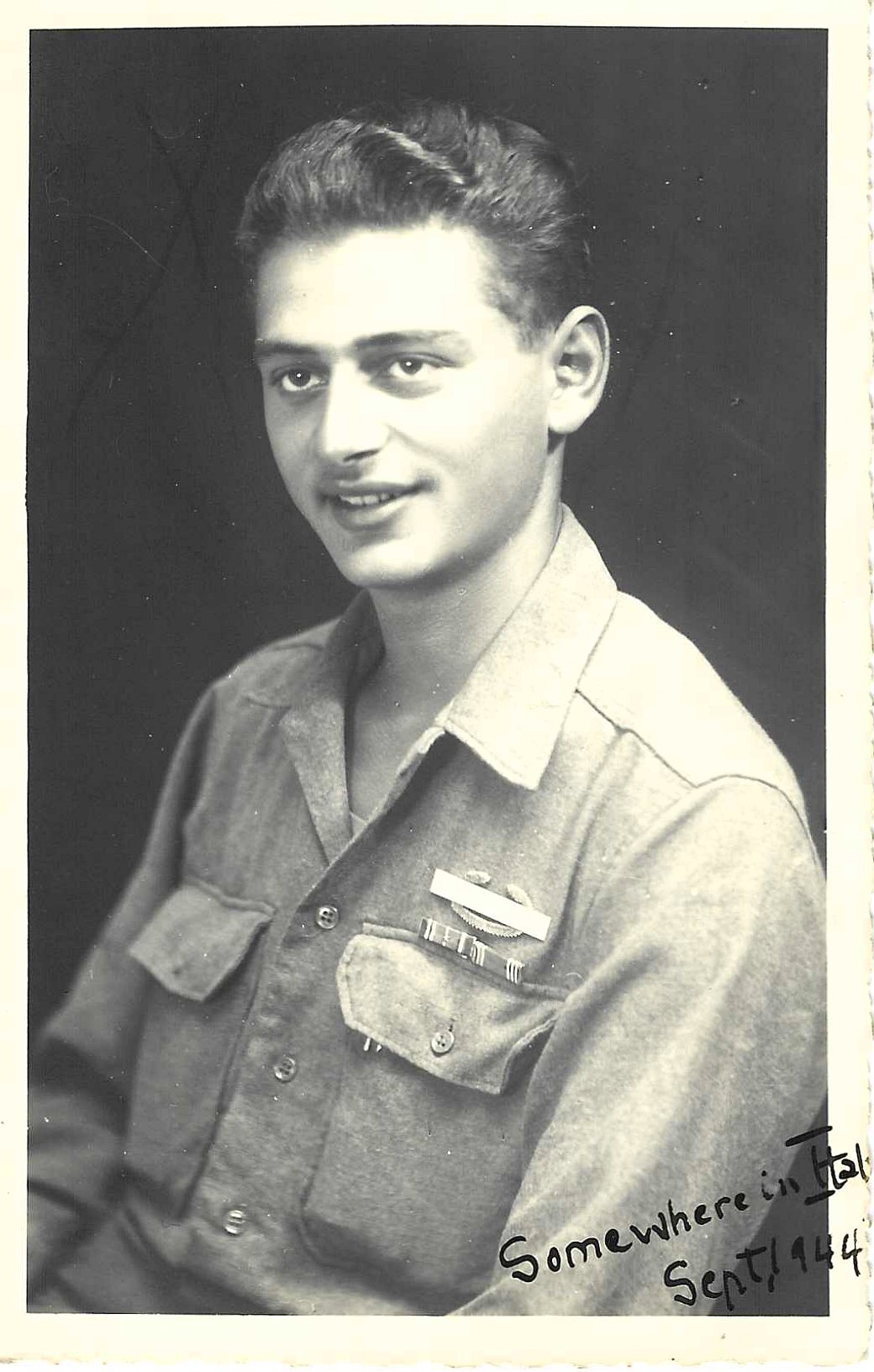
Pvt. Egon Josef Salmon
HQ Company, 2nd Battalion · later HQ Company, 1st Battalion, 362nd Infantry
Born 4 June 1924, Rheydt, Germany · Died 7 September 2022
Egon Salmon's road to the 362nd Infantry was unlike almost any other man's in the regiment. He was born in Germany to a Jewish family. After the rise of the Nazis—his father arrested during Kristallnacht and briefly sent to Dachau—the family fled. In May 1939, Egon, then fourteen, sailed with his mother and sister aboard the MS St. Louis, the ship of refugees famously turned away from Cuba and the United States and forced back to Europe. They found refuge in Belgium and finally reached the United States in April 1940, weeks before the Germans invaded Belgium, settling on Staten Island.
Just a few years later, Egon was drafted into the U.S. Army and sent back across the Atlantic to fight the regime that had driven his family out. He joined the 362nd Infantry in Italy in September 1944, serving in the Headquarters Companies of the 2nd and then the 1st Battalion through the mountain fighting of that winter and spring. After the war concluded, Egon was transferred to the Military Intelligence Services in Austria to serve as a translator for those interrogating many of the highest ranked Nazis who had been captured.
His complete service record, assembled from discharge papers, V-Mail, morning reports, and family documents, is part of this project's research files.
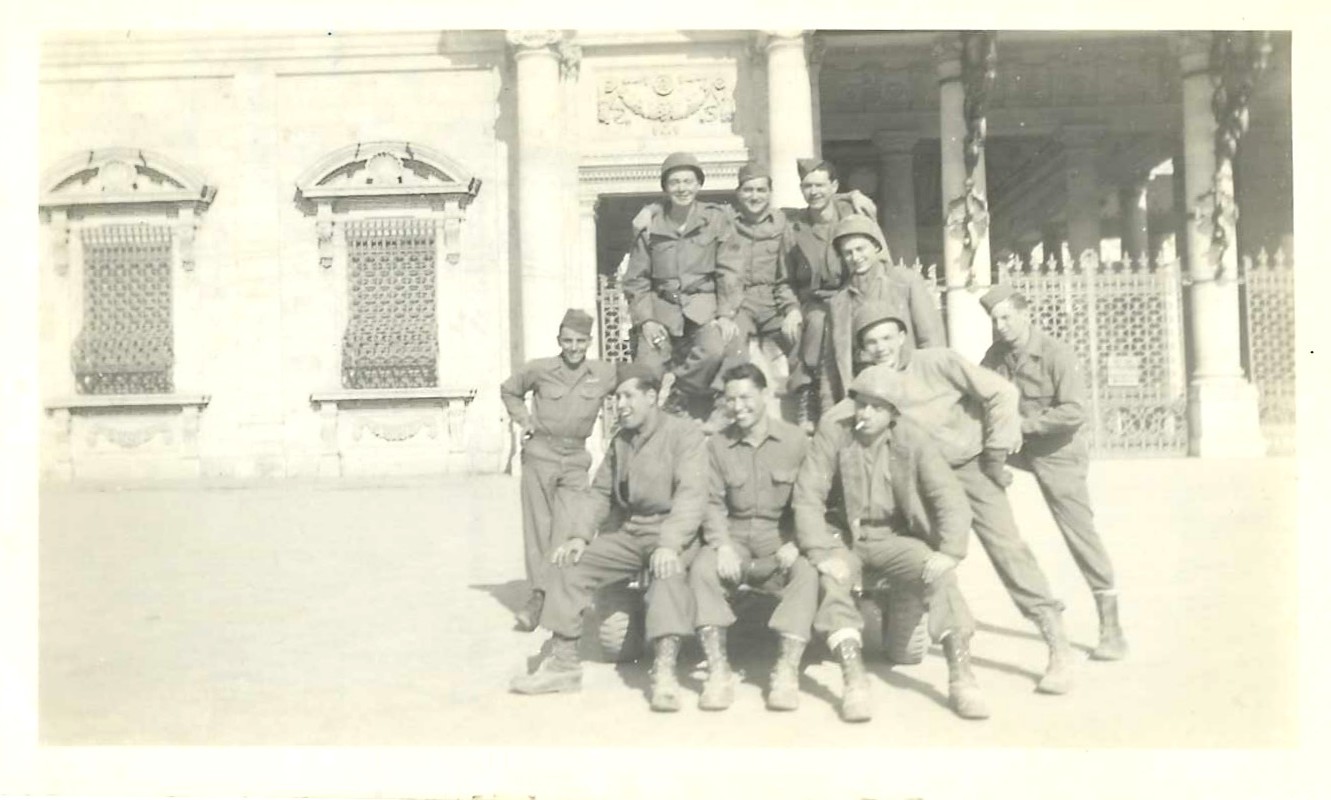
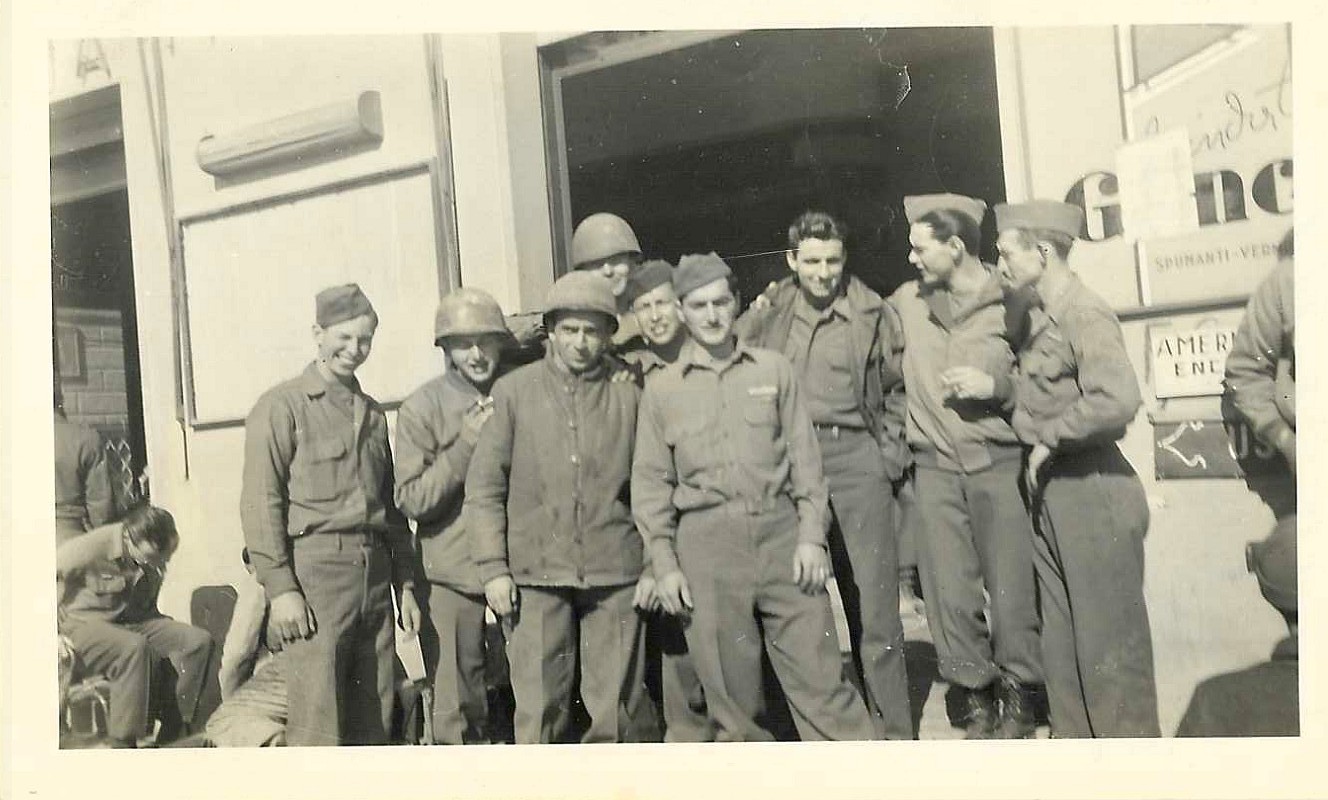
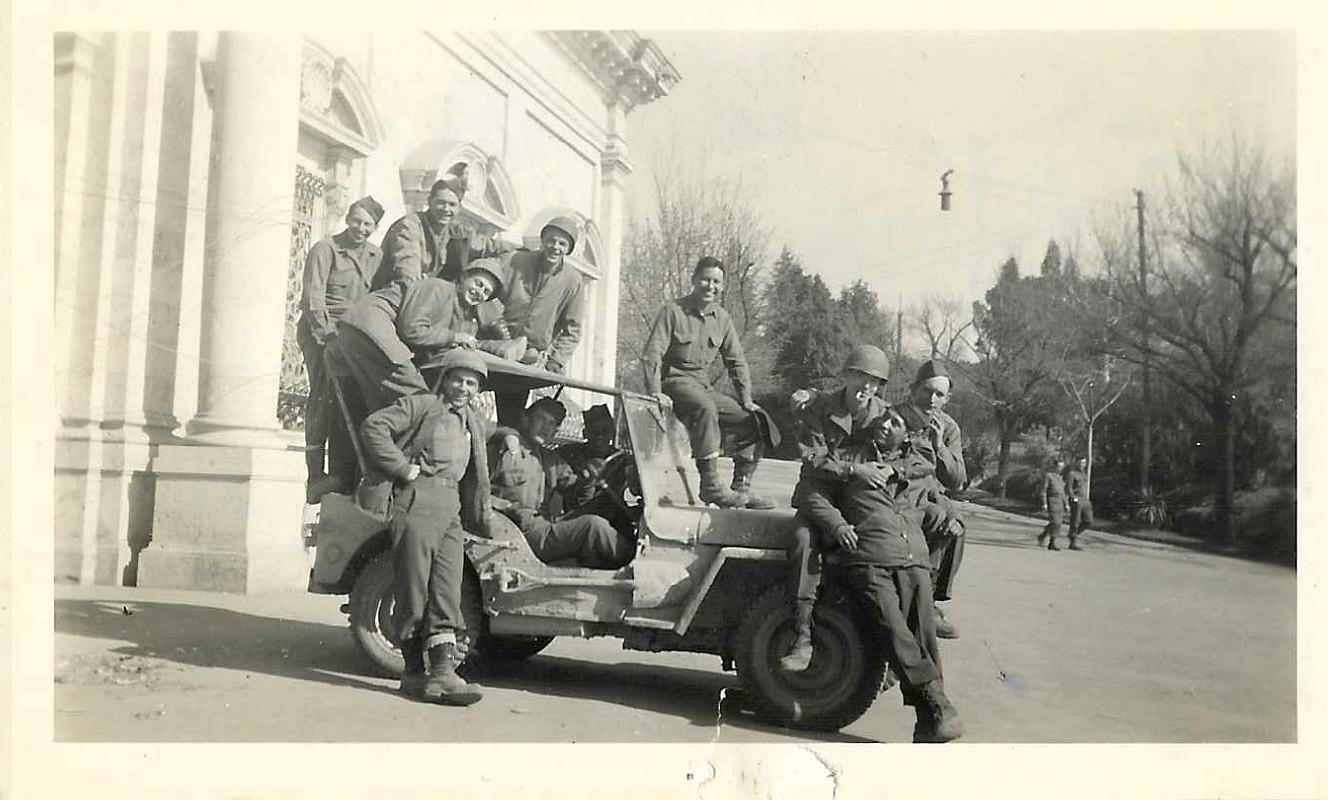
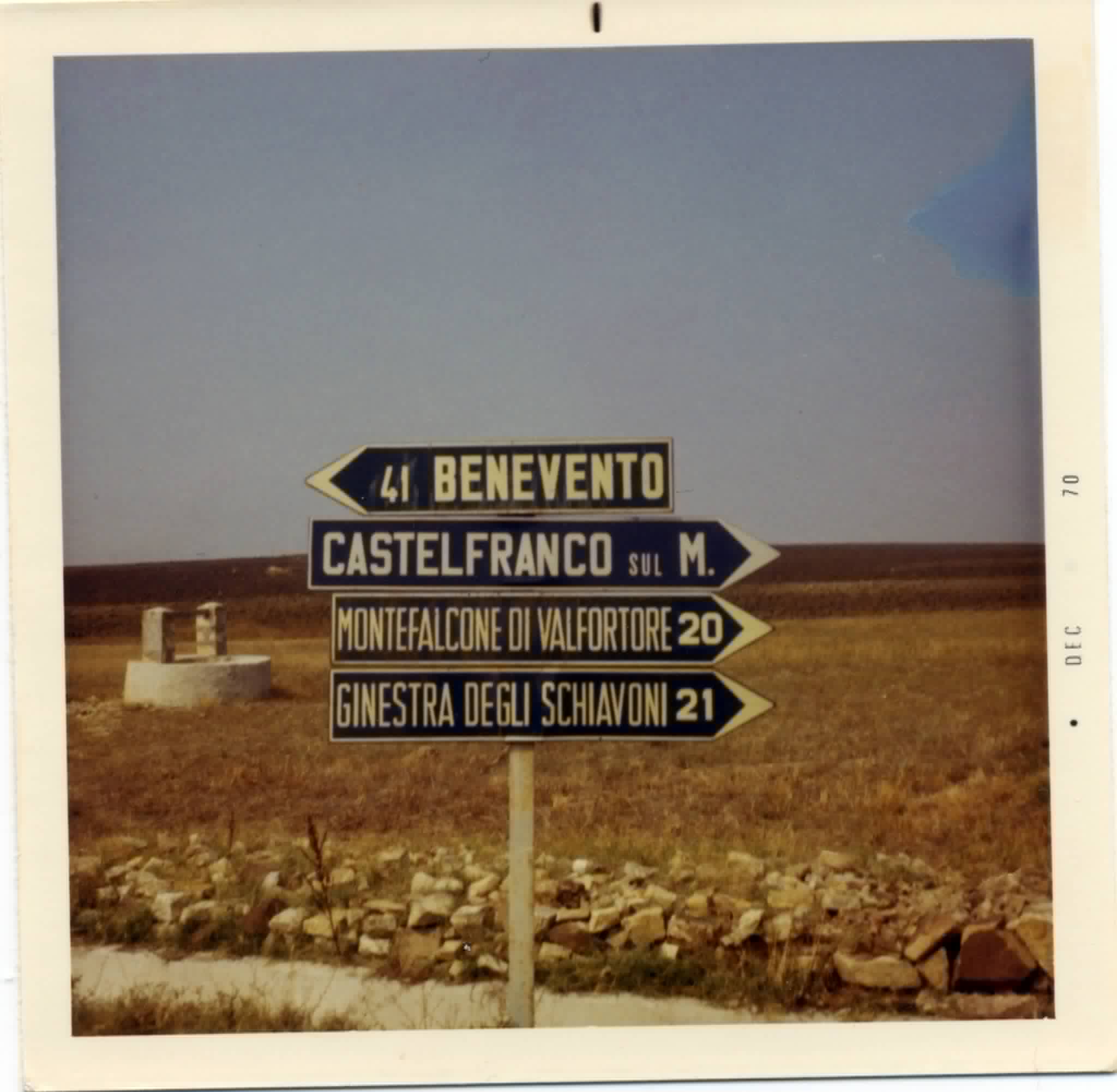
Photos
S/Sgt. Clarence Mervin Carlos
Company B, 1st Battalion, 362nd Infantry
Born 23 February 1922, San Francisco, California · Died 22 June 1998
Clarence Carlos grew up in San Francisco, the son of Antone and Mary Carlos. At Balboa High School he led the soccer team and was coxswain of the crew team, and after graduating he worked in the Oakland shipyards as an acetylene burner before entering the Army on 24 November 1942. He served in Company B as an expert rifleman and later as the company's Operations NCO, rising to Staff Sergeant.
On 20 September 1944, in the regiment's assault on the Gothic Line below Mount Gazzaro, he was wounded by an artillery shell, suffering a concussion and shrapnel wounds to the left side of his head. Company B's morning report for that day records the shelling that wounded him, and the report for 30 October records his return: after barely a month in the hospital he rejoined the company at Marradi and served through the push into the Po Valley. His awards include the Combat Infantryman Badge, the Purple Heart, the Good Conduct Medal, and the European-African-Middle Eastern Theatre Ribbon with three bronze service stars, one for each of his campaigns: Rome-Arno, North Apennines, and Po Valley. He spent his final months in uniform recovering from jaundice at the convalescent hospital at Camp Lockett, California, and was honorably discharged on 27 October 1945.
After the war he worked for twenty years as a tile contractor in Walnut Creek, California, then began a second life as a commercial fisherman out of Lummi Island, Washington, fishing the Pacific Northwest and Naknek, Alaska. He later settled in Carmen, Idaho, on the Salmon River. He died of cardiac arrest on 22 June 1998, at 76, on a fishing trip to Naknek with his son and grandson, and his ashes were scattered in the Salmon River. He is enrolled in the National Purple Heart Hall of Honor.
Profile and photo contributed by Nicole Ostermeier, from his service records and obituaries.
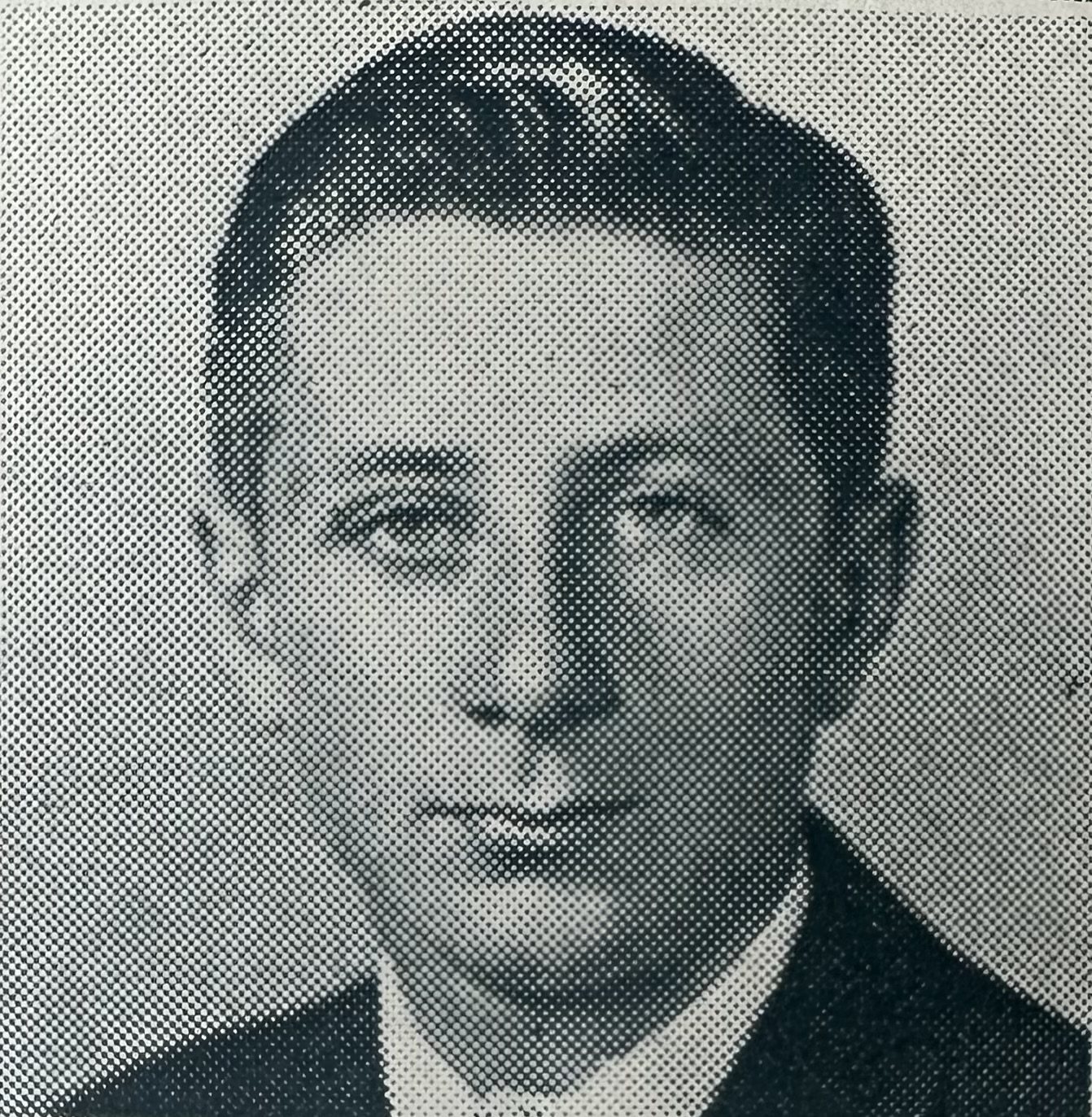
Pvt. Wesley Vietti Karna
Company F, 362nd Infantry
Born August 1922, Painesdale, Michigan · Killed in action 24 September 1944
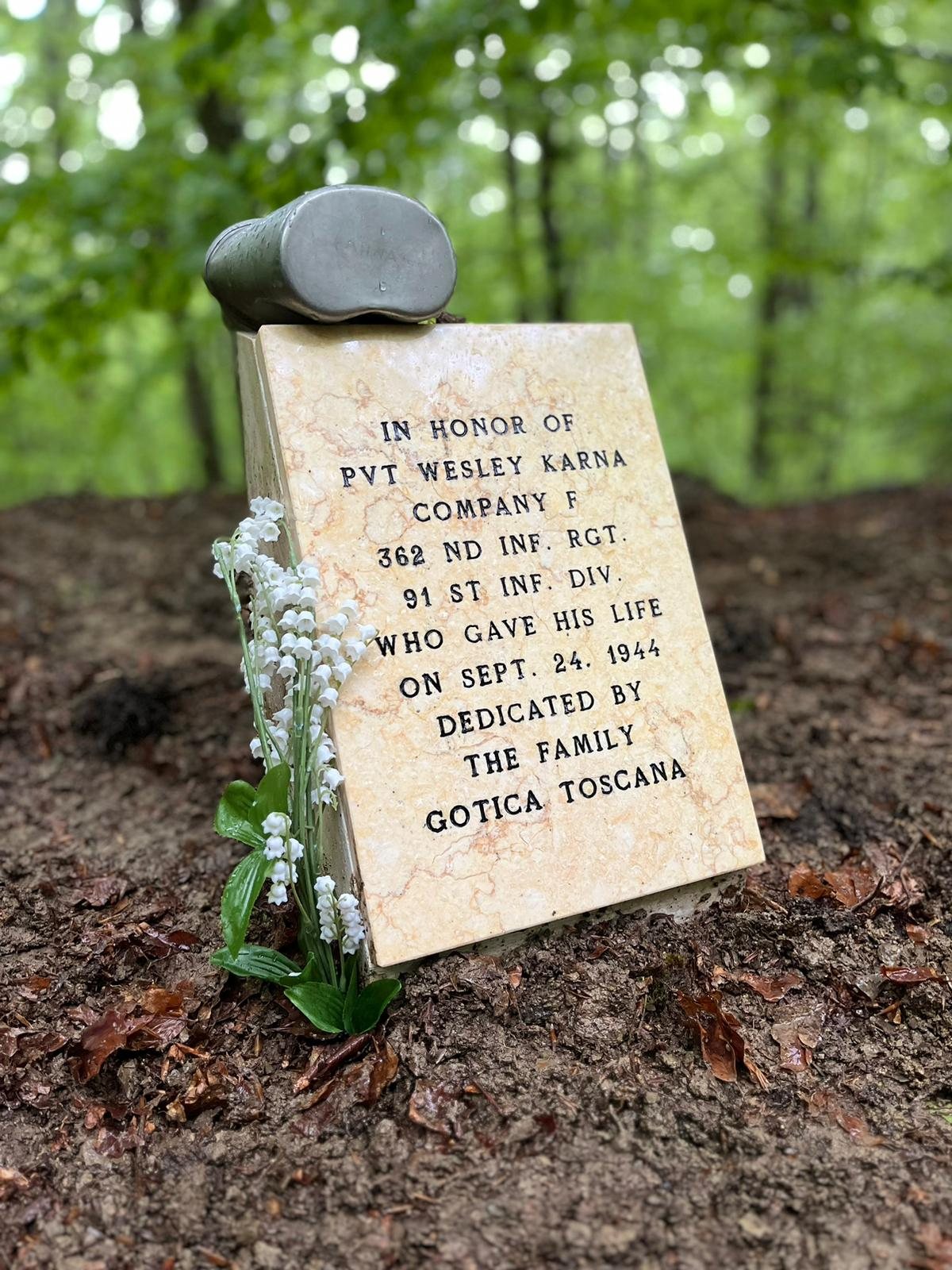
Wesley Karna left the copper-mining town of Painesdale, in Michigan's Upper Peninsula, in early 1944, bound for Italy. He reached Company F as a replacement only days before the regiment's assault on the Gothic Line. He was killed near the Futa Pass on 24 September 1944, one month past his 22nd birthday, most likely by an artillery strike on his position; his company came off the line for good within hours of his death. His name appears in Company F's morning report for that day, preserved in this archive. His mother, Ida, was notified in October. She could barely speak of him afterward, and his body came home to Michigan in 1948.
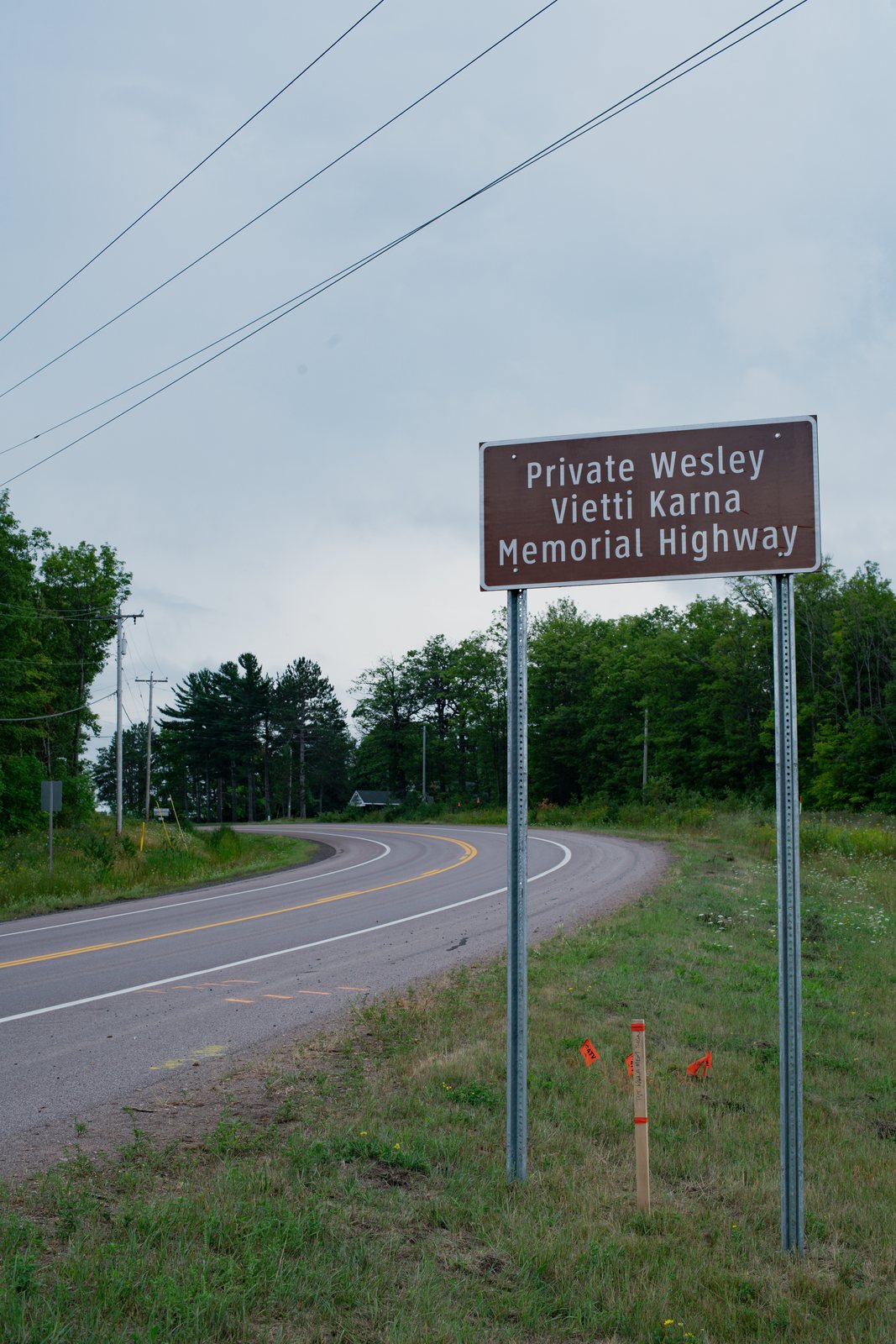
Nearly eighty years later, Wesley's story resurfaced in the same woods where he fell. Manuel Noferini of Gotica Toscana, an Italian association that preserves the memory of the Gothic Line fighting, found a canteen cup in a foxhole near the Futa Pass with "KARNA" scratched into the bottom. The find led back to his family in Michigan. In 2023 they traveled to Tuscany, helped place a memorial stone on the spot where the cup was found, and carried the cup home. A stretch of highway running from his hometown toward the cemetery where he is buried is now named the Private Wesley Vietti Karna Memorial Highway.
Profile and photos contributed by Brad Uren, Wesley's great-nephew, from Army records and the family's research.
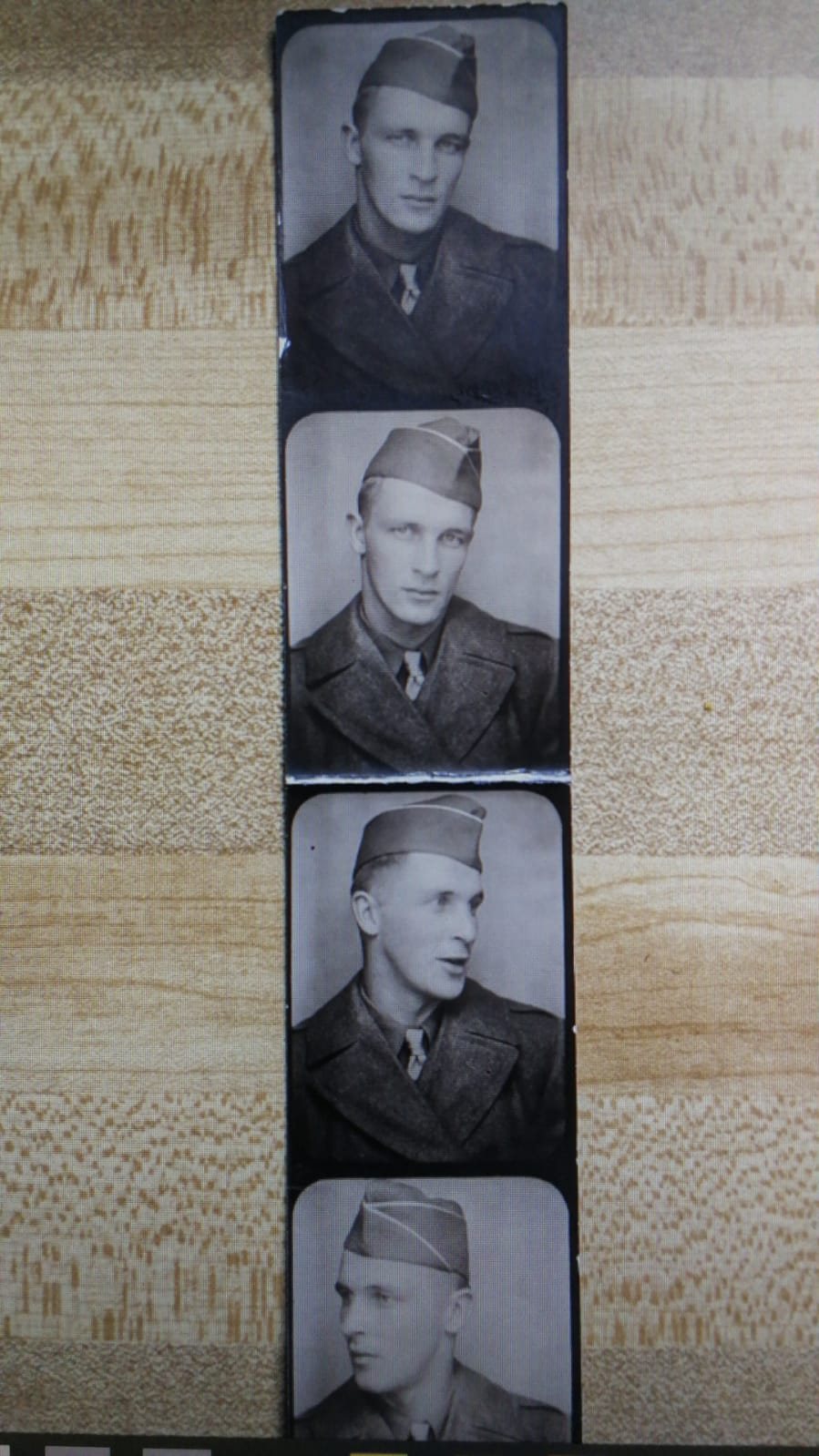
Cpl. Lyle E. Austin
Company H, 2nd Battalion, 362nd Infantry
Born 9 March 1925 · Died 11 February 2013, St. Louis, Missouri
Lyle Austin entered the Army from St. Louis, Missouri, and trained with the 91st Division at Camp Adair, Oregon, before shipping out with the regiment to Oran, North Africa, for a final period of training. From there the men boarded a Polish ship and reached Italy three days later. He served as a mortar gunner in Company H, the 2nd Battalion's heavy weapons company, whose 81mm mortars and machine guns supported the rifle companies through every action the battalion fought.
He was on the line from 12 July 1944—four months past his nineteenth birthday—to 2 May 1945, through the Rome-Arno drive, the fighting for the Gothic Line in the North Apennines, and the final push into the Po Valley—some 270 days in contact with the enemy. For that period he received a Commendation for Meritorious Service from Major General William G. Livesay, commanding the 91st Division. The citation records two occasions in particular: once, when smoke ammunition was urgently needed, Austin volunteered to lead a party through heavy enemy shell fire to bring the supply forward; on another, after his squad leader and gunner both became casualties, he took command of the squad and rebuilt it into a team able to keep supporting the attacking rifle troops. His courage, the citation reads, reflected great credit upon himself and the armed forces of the United States.
His decorations also include the Good Conduct Medal, the World War II Victory Medal, and the European-African-Middle Eastern Campaign Medal with three bronze service stars, one for each of his campaigns: Rome-Arno, North Apennines, and Po Valley.
He came home to St. Louis and opened Austin's Barber Shop on the south side, running it for forty years before it became Austin's Bar. He was a Mason and Shriner for more than fifty years, rode with the Moolah Mounted Lancers, and belonged to the American Legion and to VFW Post 3500. He was married first to Ruby Schieszer and later to Laverne Myers, and raised two daughters, Pam and Kim. He died on 11 February 2013, at 87, and was buried with military honors at Jefferson Barracks National Cemetery. His family remembered him as a man who told amusing stories, lived life to its fullest, and was a friend to everyone he met.
Profile and photo contributed by Kim Brennell, Lyle's daughter, from family recollections, his Commendation for Meritorious Service, and his obituary.